
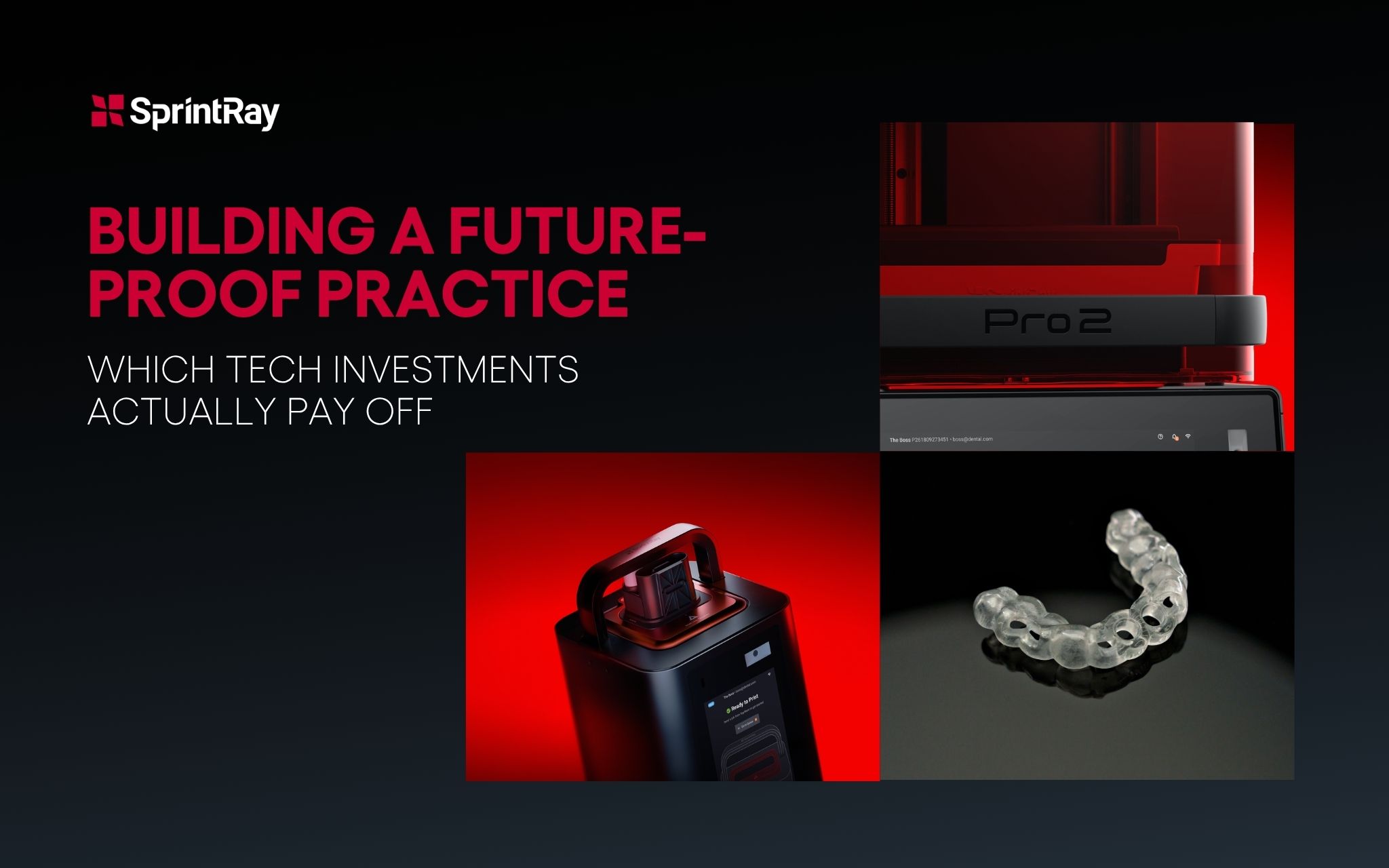
Building a Future-Proof Dental Practice: Which Tech Investments Actually Pay Off
In News by Sprintray April 3, 2026
Every dental conference has a show floor full of technology that promises to transform your practice. Scanners, printers, AI platforms, imaging systems, lasers, practice management software, patient communication tools each one pitched as the thing that separates a thriving modern practice from one that’s falling behind.
The pitch is always urgent. The FOMO is always real. And the credit application is always conveniently located at the booth.
But here’s what nobody on the show floor tells you: some of these technologies will pay for themselves in months. Others will collect dust in your back office. And the difference between the two has almost nothing to do with how impressive the demo looked.
It has everything to do with whether the technology solves a problem your practice actually has.

How to Evaluate Dental Technology Investments: Start With the Problem, Not the Product
The practices that invest well in technology tend to follow the same pattern, whether they realise it or not. They start with the bottleneck, not the brochure.
Before evaluating any purchase, they can clearly articulate what’s slowing their practice down. Is it lab turnaround time creating scheduling headaches? Is it case acceptance stalling because patients don’t want to come back for a second visit? Is it the overhead burden of outsourcing work that could be done in-house? Is it staff time lost to manual processes that could be automated?
Every one of those is a real, measurable problem. And technology that directly addresses a specific problem earns its investment back in ways you can actually track.
Technology purchased because it looked exciting without a clear problem to solve tends to end up underutilized. The scanner nobody was trained on. The software nobody integrates into the workflow. The equipment that works perfectly but doesn’t connect to anything else in your production chain.
What “Future-Proof” Really Means for a Dental Practice
The term gets thrown around a lot, usually by companies trying to sell you something today by promising it’ll still be relevant tomorrow. But future-proofing isn’t about buying the most advanced product available. It’s about investing in technology that meets three criteria.
It solves a current problem. If it doesn’t improve your practice today, the promise of future capability isn’t worth the capital outlay. Technology that sits dormant waiting for “someday” is technology that’s depreciating without earning.
It expands over time. The best technology investments are platforms, not products. A platform adds new capabilities through software updates, new materials, new workflows without requiring you to buy a new system every two years. When you evaluate a purchase, ask: what will this do in three years that it doesn’t do today? If the honest answer is “probably the same thing,” that’s a product. If the answer involves a roadmap of expanding use cases, that’s a platform.
It integrates with what you already have. The most expensive technology in dentistry isn’t the device that costs $50,000. It’s the device that costs $15,000 and doesn’t talk to anything else in your office. Disconnected technology creates friction duplicate data entry, file conversion headaches, workflow breaks where human error creeps in. Integration isn’t a feature. It’s a prerequisite.
That doesn’t mean every piece of technology needs to be from the same manufacturer. But it does mean integration should be a top-three evaluation criterion alongside clinical capability and price because the long-term cost of a disconnected technology stack shows up in wasted time, workarounds, and staff frustration.
Dental Technology Investments With Proven ROI
With that framework in mind, a few categories of dental technology consistently deliver ROI across practice types and sizes.
Intraoral scanners have the clearest payback story. They eliminate impression materials, reduce retake appointments, speed up lab communication, and improve patient experience in one purchase. They also function as the foundation for everything downstream you can’t run a digital chairside workflow without one. If you don’t have a scanner, it’s the first investment to make.
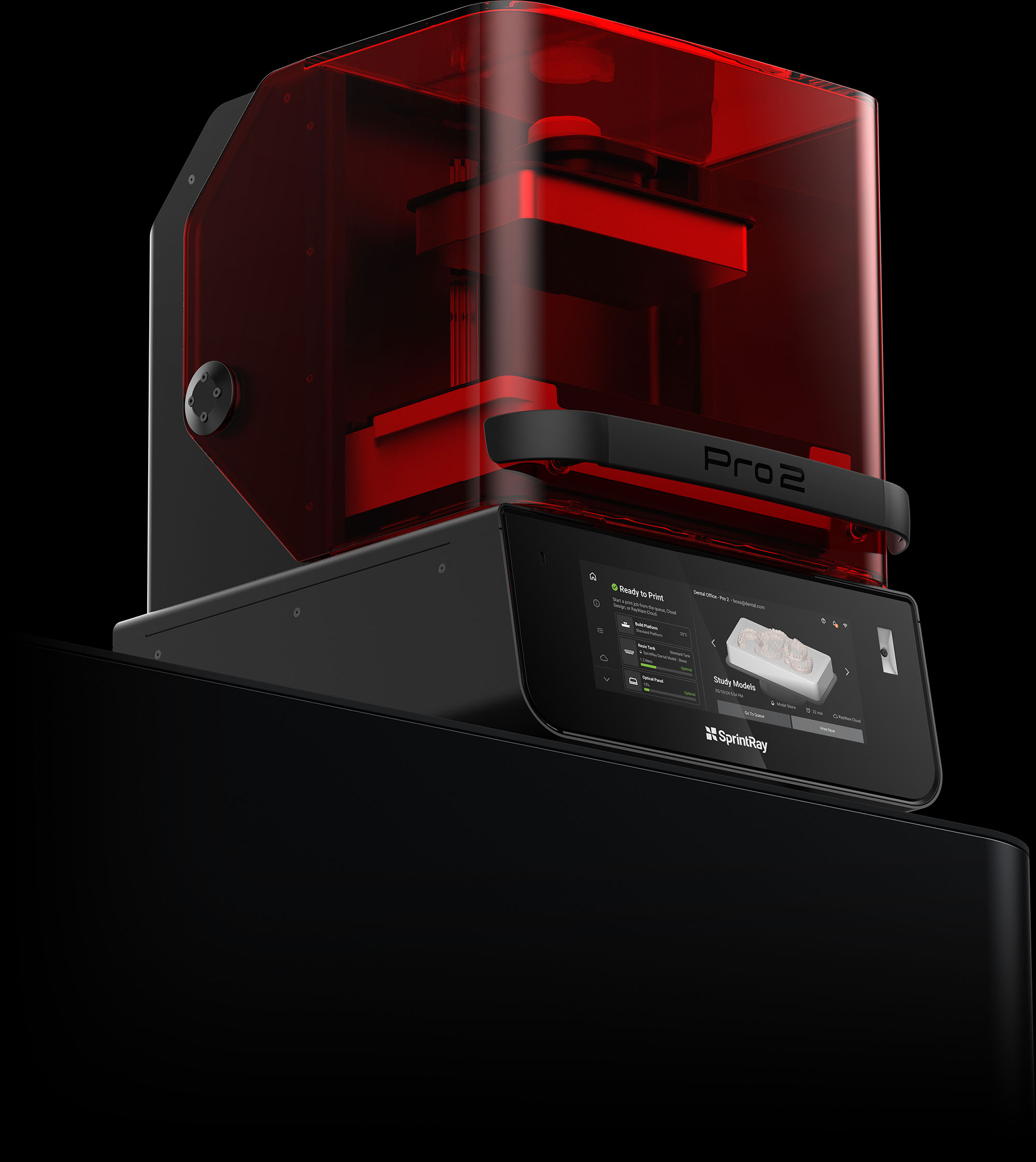
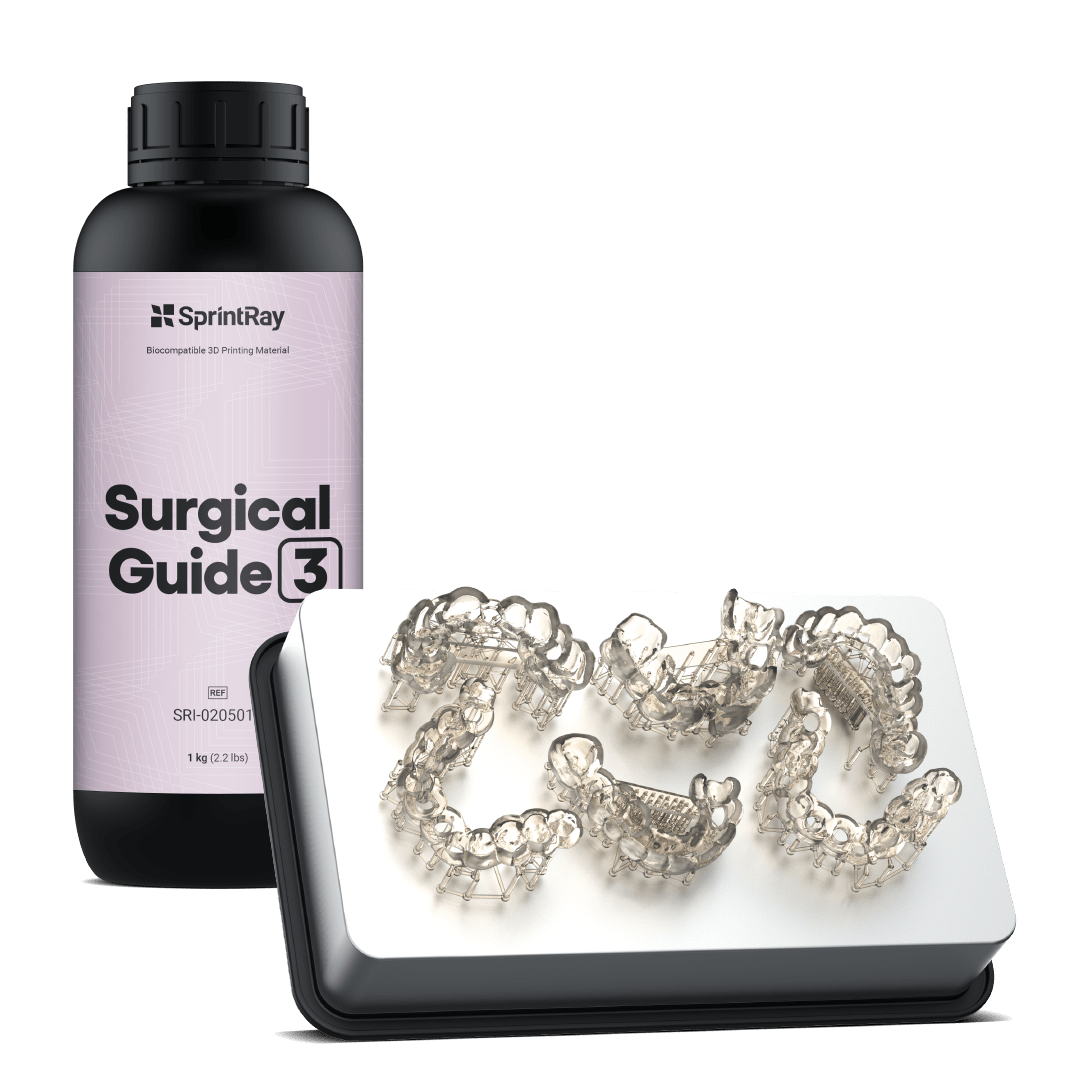
Chairside manufacturing specifically 3D printing has moved from advanced to practical for a wide range of applications. Same-day crowns, surgical guides, night guards, retainers, temporaries: the range of what can be produced in-office has expanded significantly, and the cost per unit has dropped to the point where the math is compelling even for moderate-volume practices. The key is matching the platform to your case mix. Not every printer handles every indication, and not every practice needs every capability on day one.
AI-assisted design software addresses one of the last remaining time bottlenecks in digital workflows. Manual CAD design requires skilled operators and takes time. AI design like SprintRay’s Cloud Design reduces that to minutes, with outputs that go directly to the printer. For practices that have scanned but been slowed down by the design step, this is often the missing link.
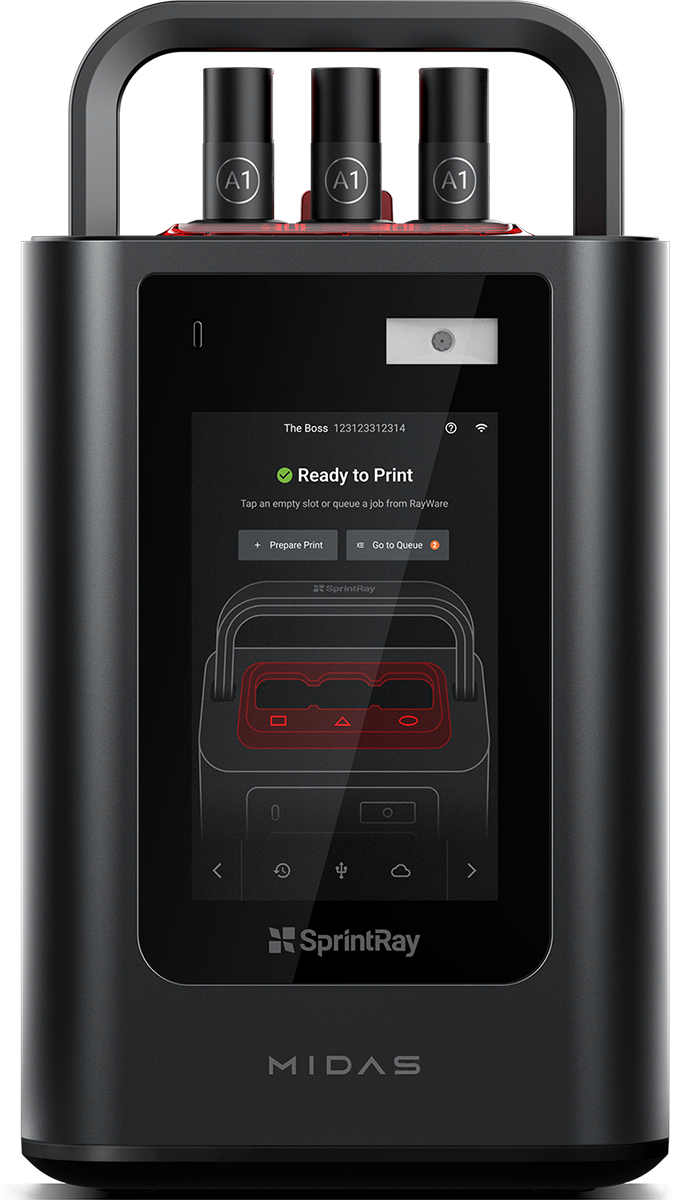
Post-processing integration matters more than most practices realize until they’re running at volume. A printer without reliable post-processing is a half-finished workflow. Wash and cure stations that are calibrated to your specific resins like SprintRay’s NanoCure system remove variability from the final step and protect the investment you’ve already made in printing.
What High-Growth Dental Practices Do Differently With Technology
The common thread among practices that are growing profitably not just growing revenue, but growing margin is deliberate technology investment aligned to operational problems.
They bought a scanner because impressions were costing them time and accuracy. They added chairside manufacturing because lab fees and turnaround times were dragging their overhead and patient experience. They adopted AI design because manual CAD was the bottleneck between scanning and production. Each purchase solved a specific problem, integrated with the last one, and created capacity for the next improvement.
They didn’t buy everything at once. They built a stack, one problem at a time, with each layer making the previous investment more valuable.
That’s what future-proofing actually looks like. Not the flashiest booth at the conference. The clearest understanding of what’s slowing you down today and the discipline to invest in what fixes it.
Ready to build a technology roadmap for your practice? Explore SprintRay’s integrated ecosystem about which investments make sense for where you are today and where you’re headed.
Frequently Asked Questions
How do you decide if dental technology is worth the investment?
Start by identifying a real problem in your practice. If the technology directly solves that issue and improves efficiency or revenue, it’s far more likely to deliver ROI.
Why do some dental technologies fail to deliver ROI?
Most failures come from buying based on hype instead of need. If a tool isn’t integrated into daily workflows or staff isn’t trained, it often goes unused.
What does a future-proof dental practice actually mean?
It’s not about having the newest tech. It means investing in systems that solve current problems, grow over time, and integrate smoothly with your existing workflow.
Which dental technologies typically give the fastest return?
Intraoral scanners usually pay off quickly by reducing impressions, remakes, and appointment times. They also unlock the full digital workflow for future investments.
Is 3D printing really profitable for dental practices?
Yes, especially when used for high-frequency applications like crowns, night guards, and surgical guides. Lower per-unit costs and faster turnaround make it financially viable.
How important is integration when choosing dental technology?
It’s critical. Technology that doesn’t connect with your existing systems creates inefficiencies, extra work, and hidden long-term costs.
What role does AI play in dental workflows today?
AI speeds up design processes that traditionally required manual effort. It helps reduce turnaround time between scanning and production, making workflows more efficient.
Why is post-processing important in 3D printing workflows?
Without proper washing and curing, printed parts can be inconsistent. Reliable post-processing ensures quality and protects the overall investment in printing.
Should dental practices invest in multiple technologies at once?
Not usually. High-performing practices build their technology stack step by step, solving one bottleneck at a time and maximizing each investment.
What is the biggest mistake when adopting new dental technology?
Buying tools without a clear plan for how they fit into daily operations. Even great technology won’t deliver value if it isn’t fully adopted and used consistently.