Dry mouth, also known as xerostomia, is more common than many realise, yet it’s often underdiagnosed and undertreated.
For dental professionals, understanding its causes, risks, and management options is essential to improving patient outcomes and quality of life.
More Common Than You Think
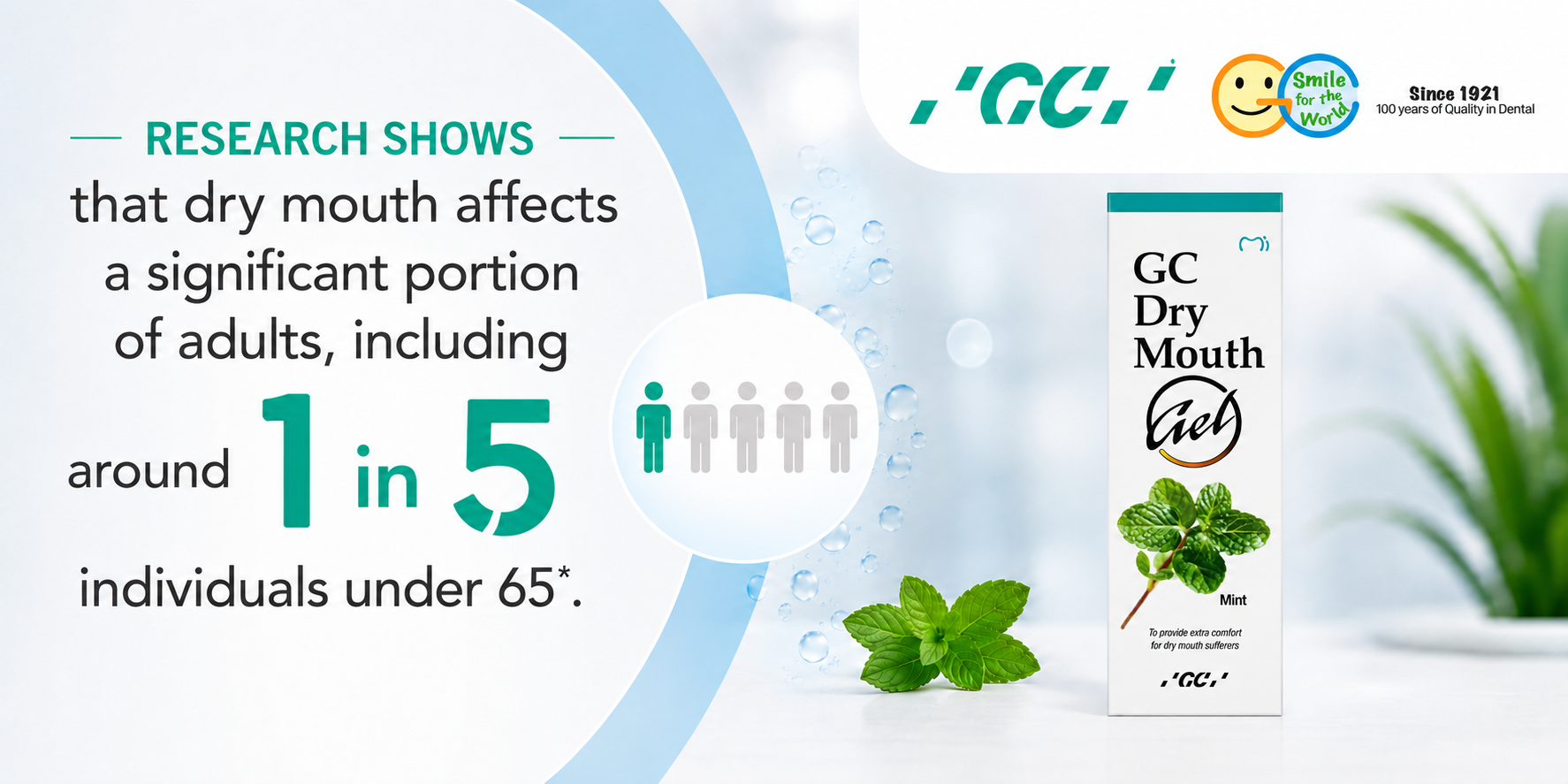
Research shows that dry mouth affects a significant portion of adults, including around 1 in 5 individuals under 65*.
Despite this, many patients don’t recognise the symptoms early or may not raise concerns until the condition begins to impact their daily life.
Early diagnosis is key not just for oral health, but also for managing the systemic and social effects associated with dry mouth.
What Causes Dry Mouth?
One of the most common contributors to dry mouth is medication use.
This includes widely prescribed and over-the-counter drugs such as:
- Antidepressants
- Antihistamines
- Asthma medications
- Analgesics
- Antihypertensives
Patients taking multiple medications (polypharmacy) are at an even greater risk, making dry mouth an increasingly common concern in everyday practice.
Why Saliva Matters
Saliva plays a critical role in maintaining oral health. When saliva flow is reduced, patients may experience:
- Difficulty chewing and swallowing
- Challenges with speaking
- Increased discomfort and irritation
Beyond comfort, saliva is essential for protecting teeth and maintaining oral balance.
Without it, even basic daily functions can become a struggle.
The Risks of Untreated Dry Mouth
A lack of saliva can have serious consequences for oral health. Patients with dry mouth are at increased risk of:
- Enamel erosion, especially from acidic foods and drinks
- Tooth decay and demineralisation
- Plaque accumulation and gum inflammation
- Oral infections
In more complex cases such as patients undergoing chemotherapy or radiation therapy dry mouth can contribute to pain, mucositis, and difficulty eating, further impacting overall wellbeing.
Supporting Patients with the Right Solutions
Managing dry mouth isn’t just about symptom relief it’s about protecting long-term oral health.
Products that support saliva function while maintaining a healthy oral environment are essential.
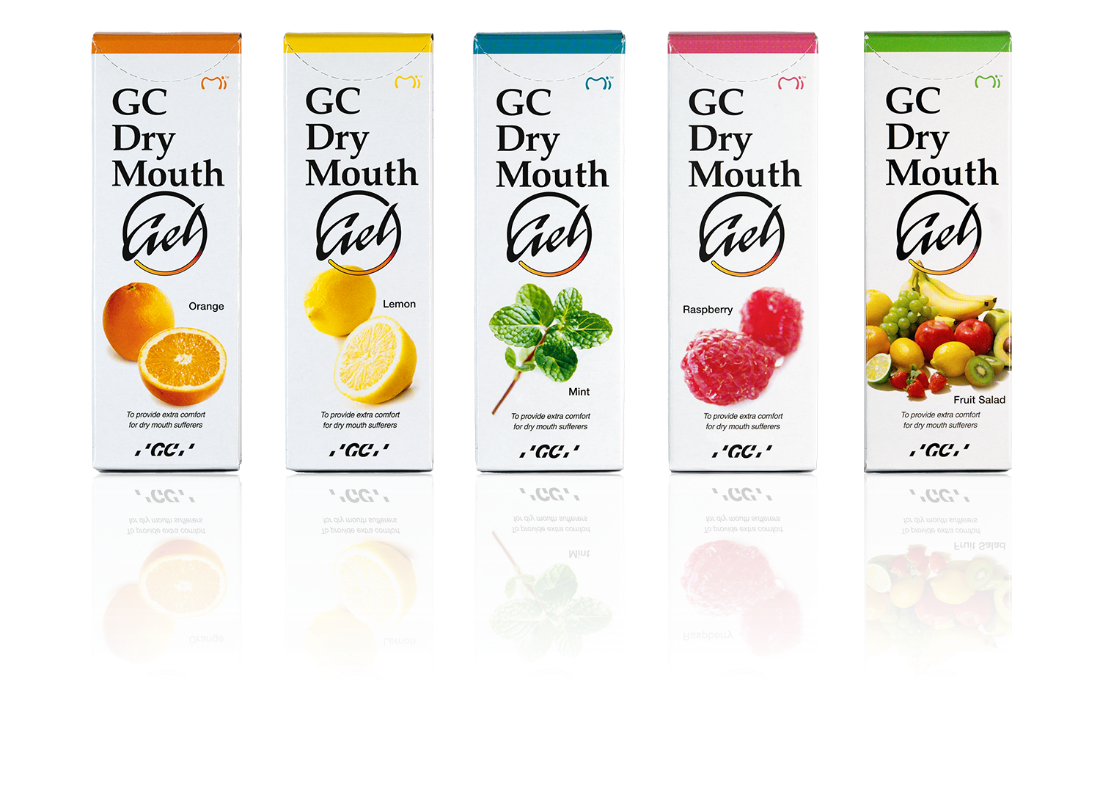
GC Dry Mouth Gel is specifically formulated to:
- Provide immediate soothing relief
- Deliver long-lasting comfort
- Maintain a neutral pH, helping reduce the risk of demineralisation
- Offer a sugar-free solution suitable for ongoing use
Unlike many traditional saliva substitutes, its neutral pH formulation helps support intraoral balance an important factor in protecting enamel and soft tissues. GC Dry Mouth Gel is also alcohol-free.
Supporting Your Conversations with Patients
Starting the conversation around dry mouth can sometimes be challenging but the right tools make it easier.
GC offers a range of support materials to help clinicians confidently educate patients and recommend solutions like GC Dry Mouth Gel.
You can access and share the following resources with your patients:
- Patient Video: A simple, engaging way to explain dry mouth and how GC Dry Mouth Gel can help. View Here
- Patient Brochure: A clear take-home resource to reinforce education and support ongoing care. Add GC Dry Mouth Gel Brochures to your next order or Download
- GC SIP SCORE: the GC SIP-SCORE (Symptom Index for Perception of Dry Mouth) has been developed to help identify if your patient has any signs of symptoms of Dry Mouth. This is a screening tool rather than a full diagnosis. View Here
- On-demand Webinar, ‘When Saliva Fails: Demystifying Dry Mouth, Its Oral–Systemic Consequences, and Evidence‑Based Support Strategies’: This on-demand webinar presented by Dr Rakesh Jivan covers risk factors, clinical diagnosis and the role of commonly available dry-mouth products in supporting long-term oral health. Learn how to identify, assess and manage dry mouth using an evidence-based approach. View Here
These tools are designed to support better patient understanding, improve compliance, and enhance treatment outcomes.
A Simple Step Toward Better Patient Care
Dry mouth may be common, but it shouldn’t be overlooked.
By recognising the signs early and recommending appropriate support, dental professionals can significantly improve patient comfort, reduce oral health risks, and enhance overall quality of life.
Because when it comes to dry mouth small interventions can make a big difference.
References:
*Brazilian Dental Journal (2018) 29(6): 606-618 http://dx.doi.org/10.1590/0103-6440201802302 How Common is Dry Mouth? Systematic Review and Meta-Regression Analysis of Prevalence Estimates