
Clinical Case Report by Dr. Koray Kendir
Peg-shaped lateral incisors present a unique restorative challenge, combining aesthetic demands with the need for precise morphological reconstruction. While direct composite restorations offer a minimally invasive solution, long-term success is often compromised when anatomical principles are overlooked or when repeated additive approaches fail to address underlying structural deficiencies.
This case report describes the management of a peg-shaped maxillary lateral incisor using a simplified, anatomy-driven approach with a universal composite system.
Initial presentation and clinical history
A 35-year-old male patient presented with a unilateral peg-shaped maxillary left lateral incisor (tooth #22, FDI notation). The patient’s dental history revealed multiple direct composite restorations placed since the age of 16, all performed without tooth preparation. However, these restorations failed approximately every two years due to fractures or severe marginal discolouration.
Clinical assessment and pre-operative evaluation
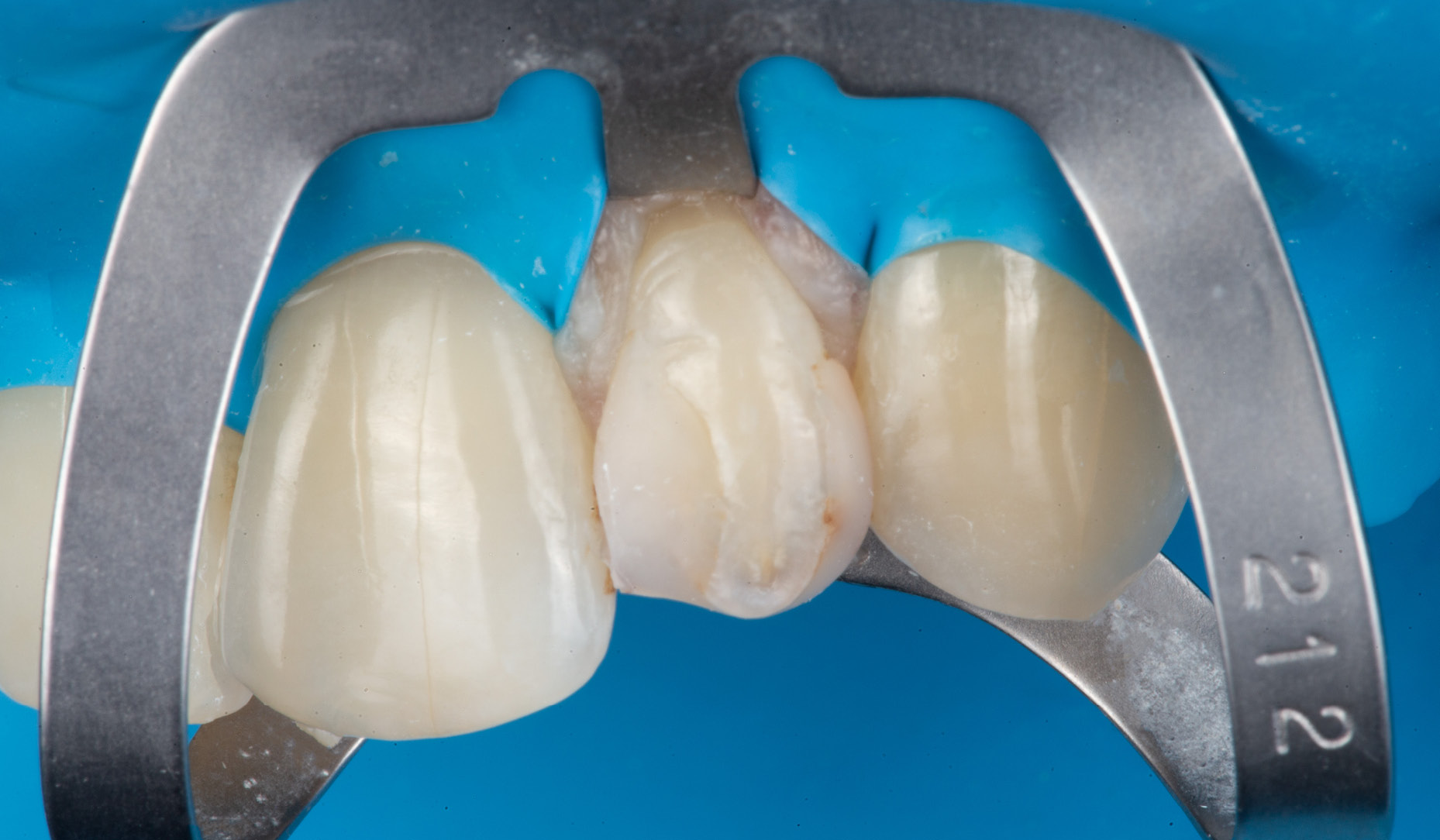
Rubber dam isolation was performed and baseline clinical photographs were taken. The existing restoration was limited to closing the mesial and distal diastemas, resulting in significant marginal discrepancies and morphological disharmony. A palatal view revealed a more critical issue: concave, non-cleansable proximal contact areas, leading to food impaction and periodontal risk.
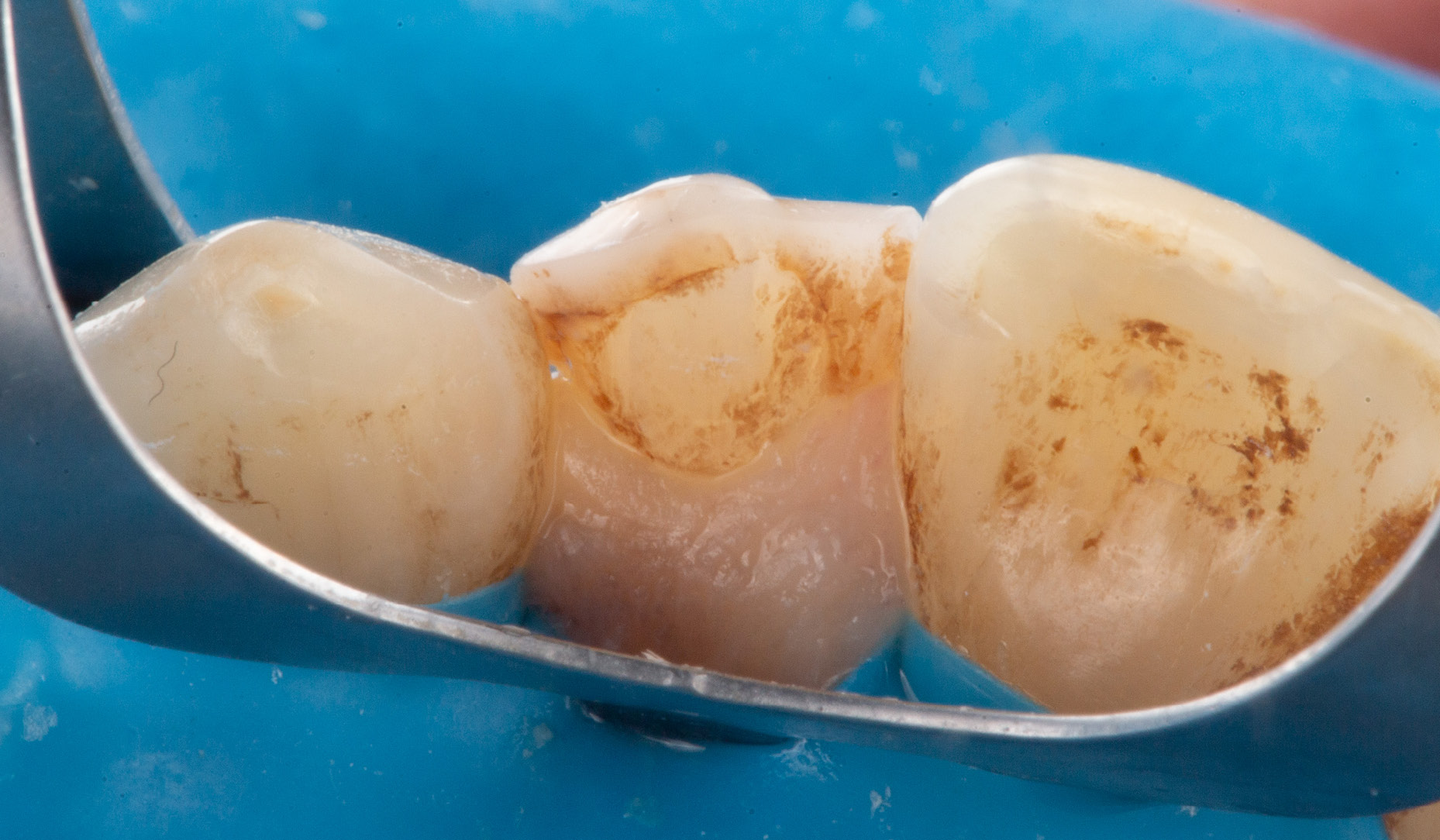
Figure 1: Initial clinical situation: Vestibular view of the existing restoration.
Figure 2: Initial clinical situation: Palatal view of the existing restoration.
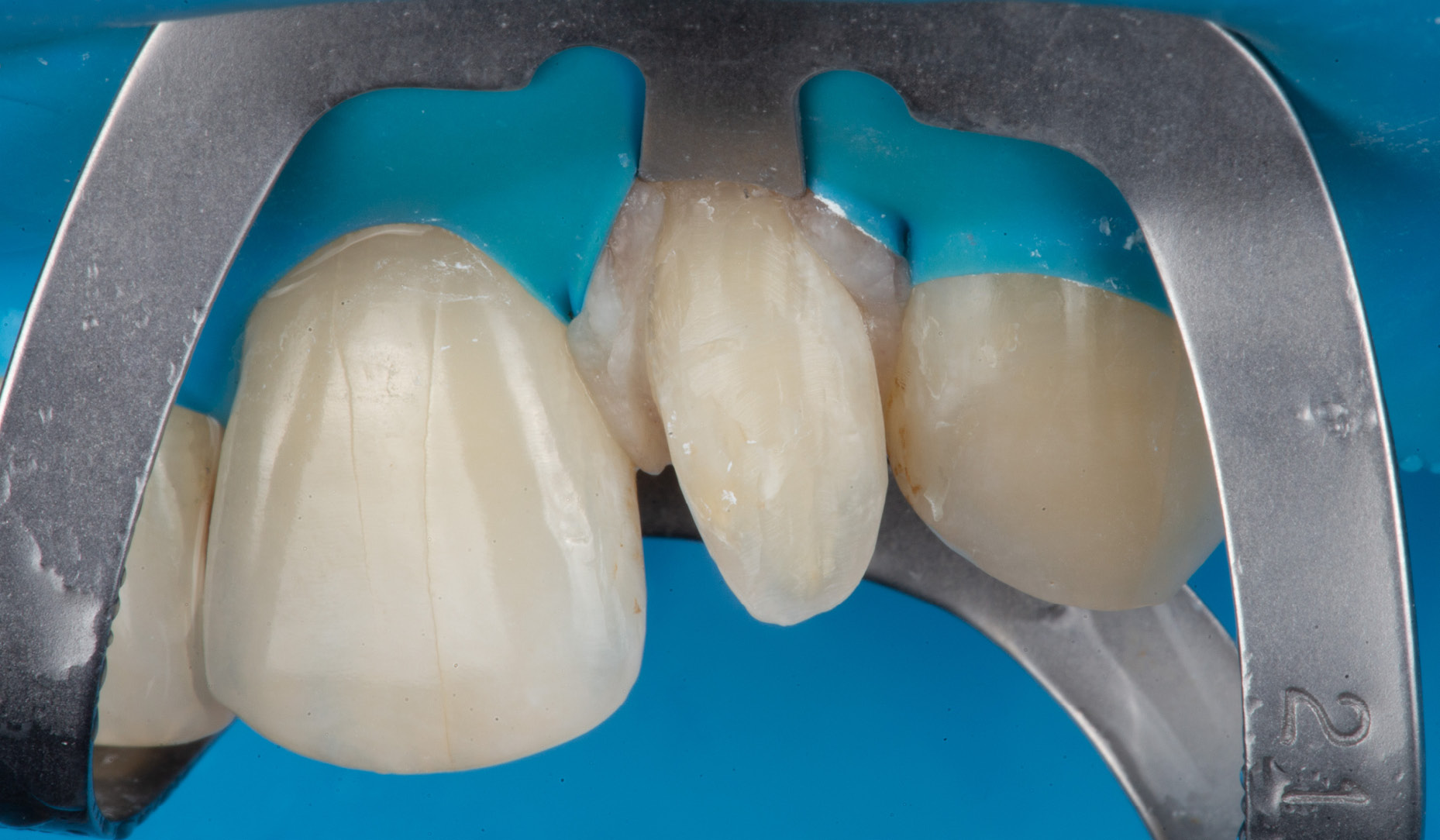
Figure 3: Failing composite completely removed without compromising the tooth structure.
Minimally invasive preparation
The primary goal was the complete removal of the failing composite without compromising the underlying natural tooth structure. Following removal, the tooth required three-dimensional expansion: mesially and distally, incisally, and labially.
Key anatomical considerations during reconstruction:
- Incisocervical positioning of mesial and distal contact areas.
- Contact area geometry (point vs. surface contact).
- Incisal edge position and line angle symmetry.
- Correct palatal wall orientation.
Adhesive protocol and material selection
To support a streamlined workflow and maintain focus on anatomical reconstruction, the Universal Excellence product series (Kuraray Noritake Dental Inc.) was selected.
- Bonding: CLEARFIL™ Universal Bond Quick 2 was applied using a simplified one-step protocol, providing rapid and reliable adhesion.
- Restoration: CLEARFIL MAJESTY™ ES-2 Universal in U shade was chosen to provide predictable and harmonious aesthetics with a single-shade approach, allowing the clinician to focus on the primary anatomical determinants of form and function rather than complex multi-shade layering.
Stratification and polymerization
Figure 9: Appearance of the restorations six months after treatment.
Figure 10: Close-up of the restoration, confirming smooth optical integration.
Figure 11: The surface of the restoration still appears well-polished and unstained after six months.
Six-month follow-up
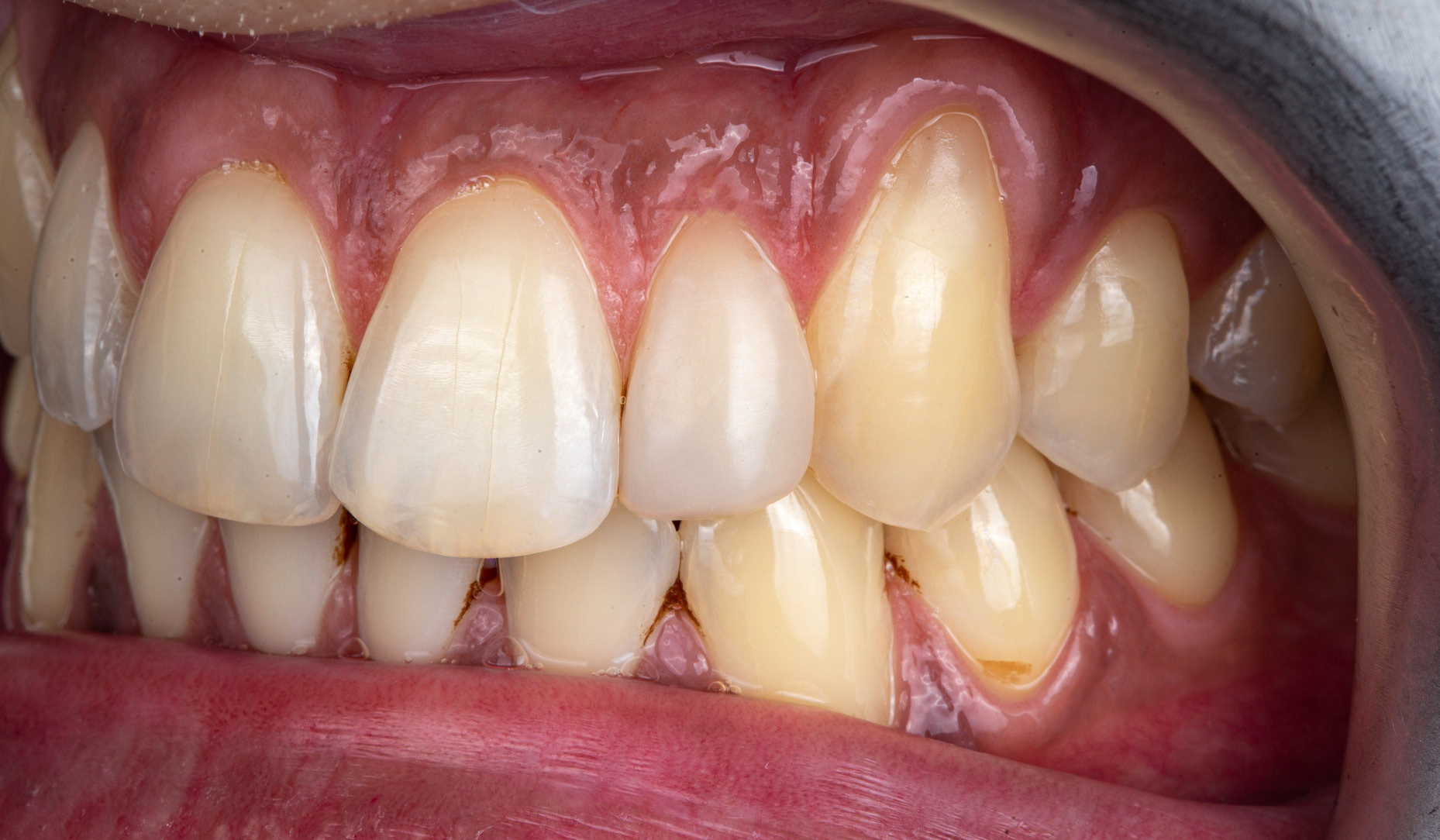
The patient was recalled after six months for evaluation.
Due to the superior polishability and high mechanical strength of CLEARFIL MAJESTY™ ES-2 Universal, the restoration maintained its surface lustre and marginal integrity with no signs of wear or staining.
Conclusion
While complex layering techniques can enhance optical properties, they may inadvertently shift focus away from fundamental anatomical principles. The Excellence system from Kuraray Noritake Dental Inc. offers a practical and dependable solution for complex morphological challenges, supporting both clinician focus and long-term clinical success.
About the author
Dr. Koray Kendir is a graduate of Hacettepe University Faculty of Dentistry and the co-founder of a private dental clinic in İzmir. He specializes in digital dentistry, smile design, and computer-aided restorative treatments. Known for his innovative approach, Dr. Kendir is a frequent speaker at national dental congresses and serves as an advisor to several dental companies.