By Dr. Sofien Riahi
Anterior dental trauma often results in aesthetic concerns that require careful and conservative management. Today, minimally invasive adhesive techniques enable clinicians to restore function and appearance with highly predictable and natural-looking results. Direct composite restorations, in particular, offer an effective solution by combining tissue preservation with excellent aesthetic integration.
TREATMENT NEED
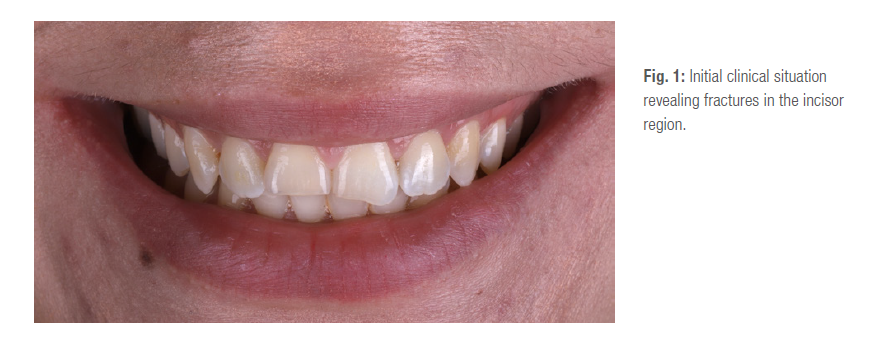
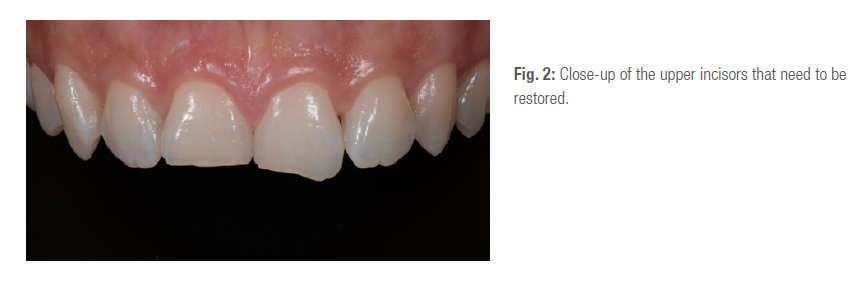
A 31-year-old patient attended our practice seeking aesthetic improvement following a previous uncomplicated trauma to her upper and lower incisors. At the initial clinical visit, a consultation was carried out, including photographic documentation and intraoral scans.
TREATMENT PLAN
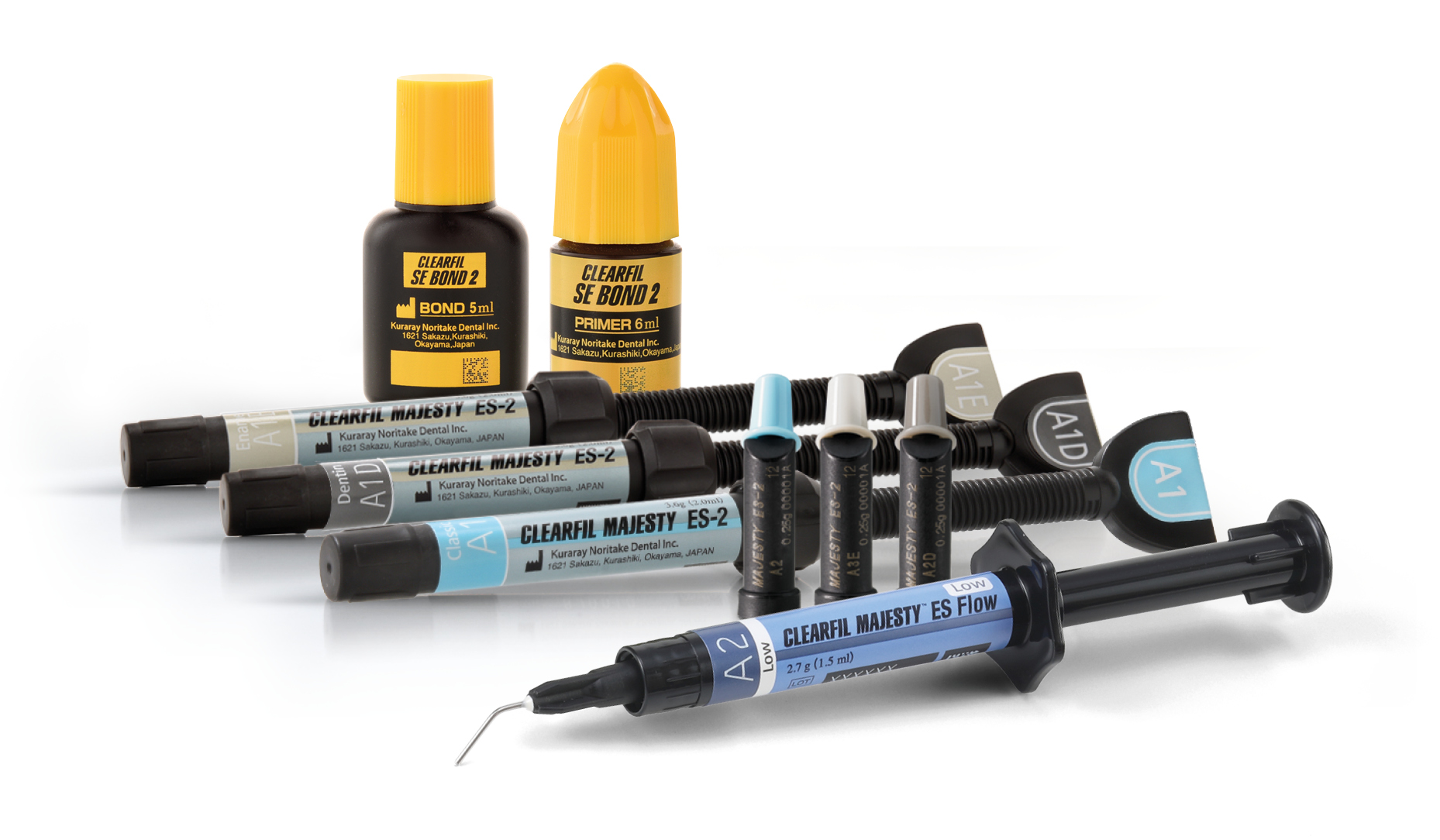
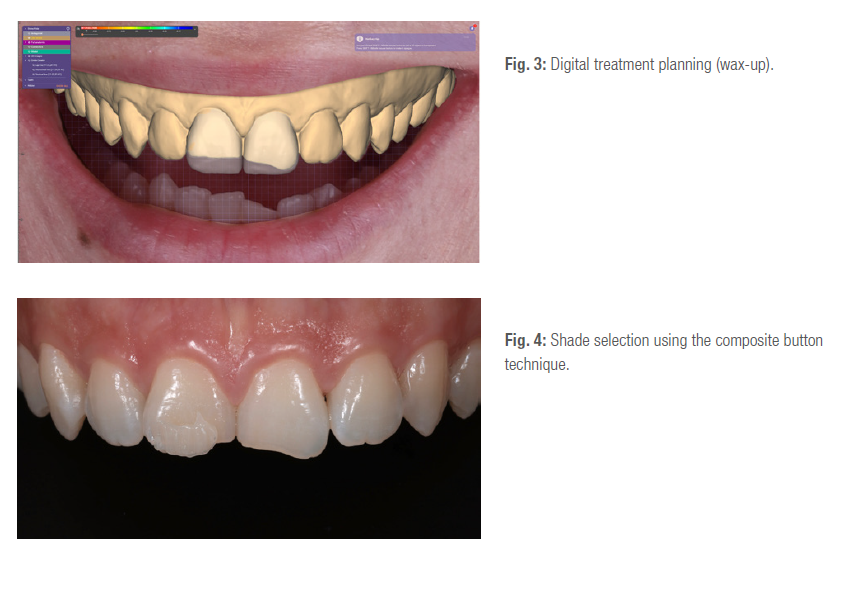
The proposed treatment plan involved direct composite restorations as the least invasive and most predictable treatment option. The patient accepted the proposed measures. We proceeded with digital planning of the restorations. Models of the proposed design were printed, and a silicone index was produced. At the subsequent clinical visit, shade selection was performed using the composite button technique. A1 enamel and dentin shades of CLEARFIL MAJESTY ™ ES-2 (Kuraray Noritake Dental Inc.) were selected.
CLINICAL PROCEDURE
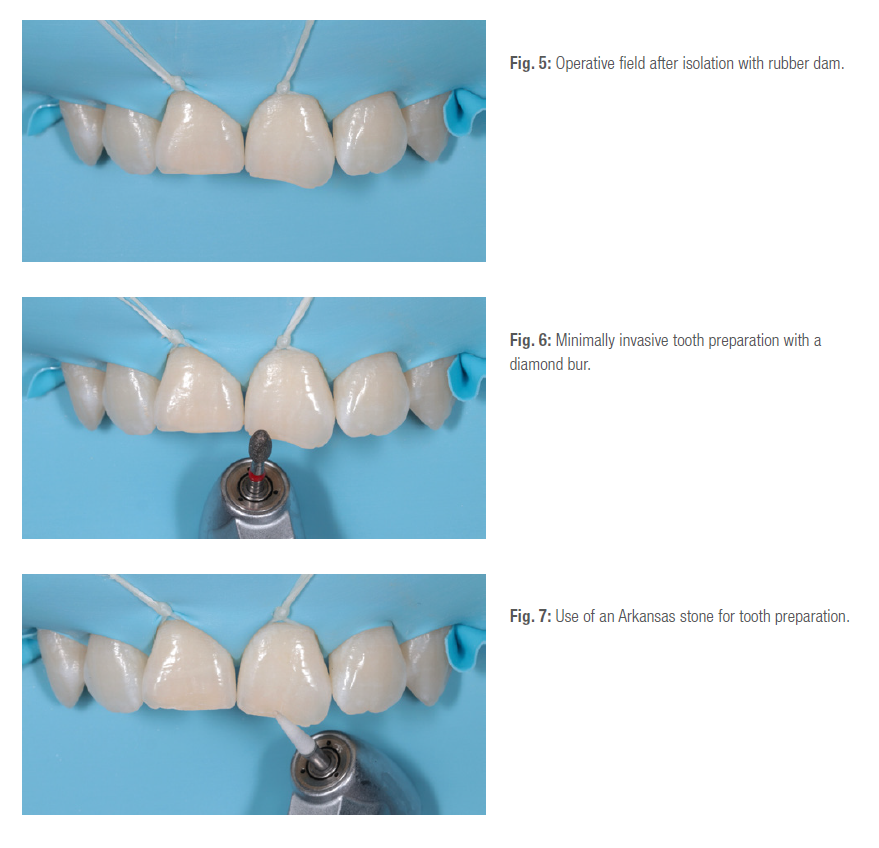
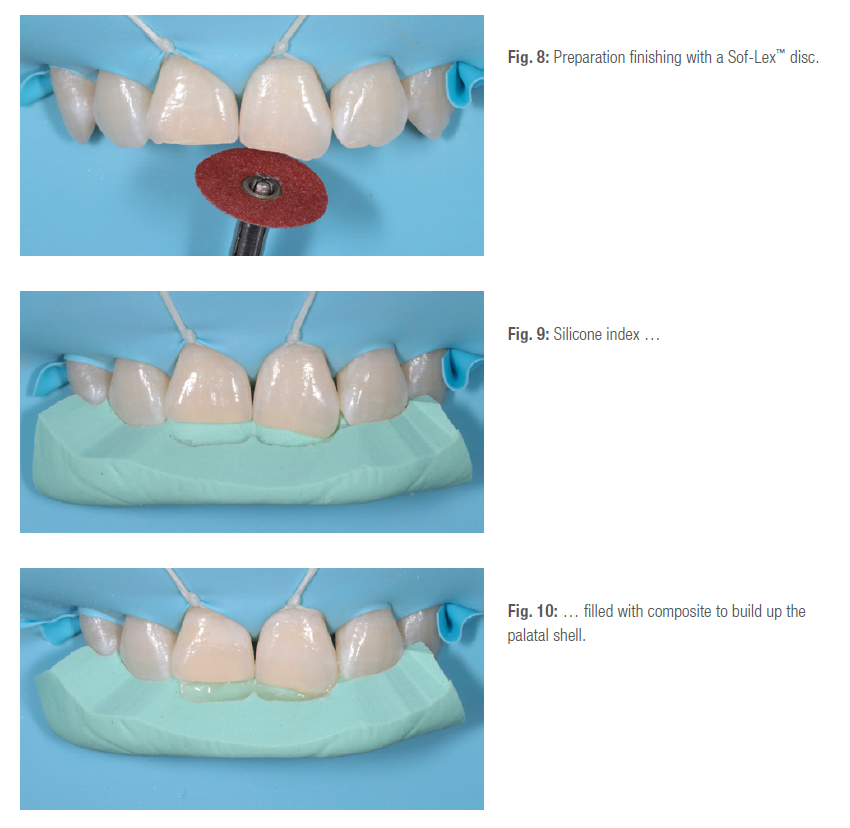
Local anaesthesia was administered, and the operative field was isolated with rubber dam. A smooth bevel was created using diamond burs, an Arkansas stone, and 3M ™ Sof-Lex ™ discs (Solventum). The surfaces of the involved teeth were sandblasted and etched with phosphoric acid etchant, while the adjacent teeth were protected using a metal strip. Then, the two-bottle self-etch adhesive CLEARFIL ™ SE Bond 2 (Kuraray Noritake Dental Inc.) was applied.
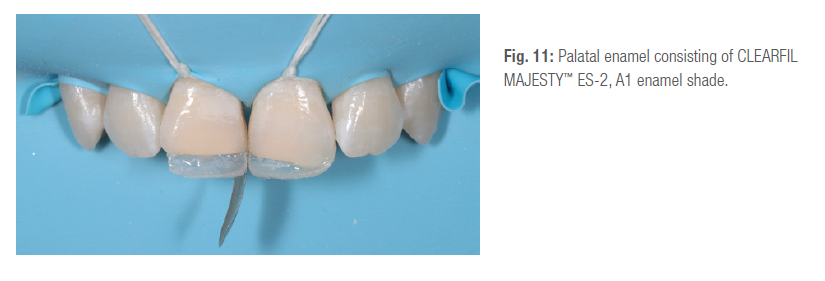
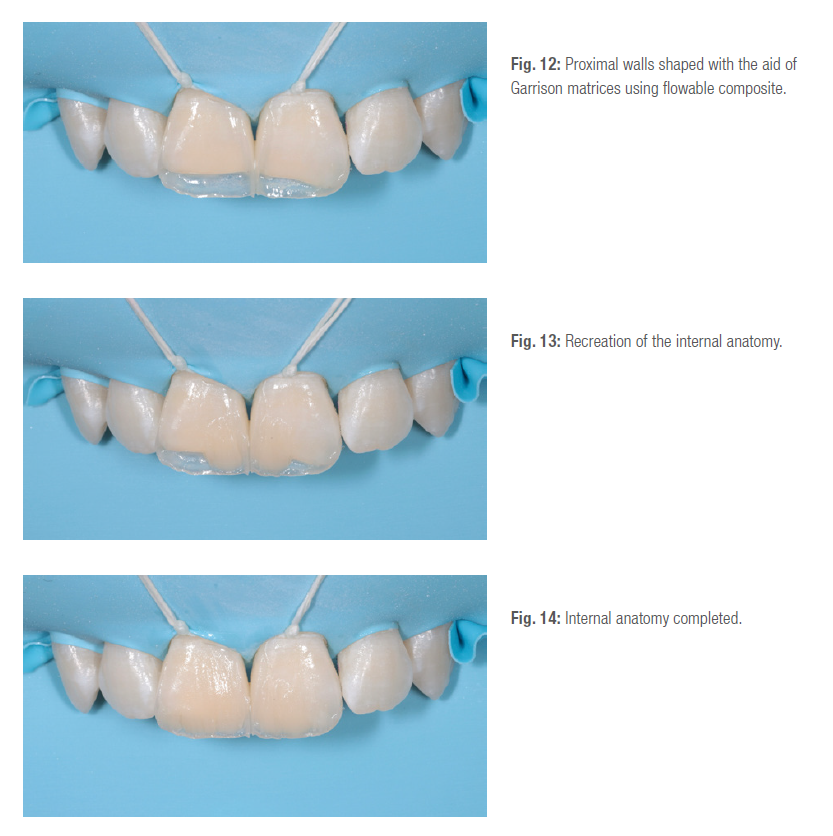
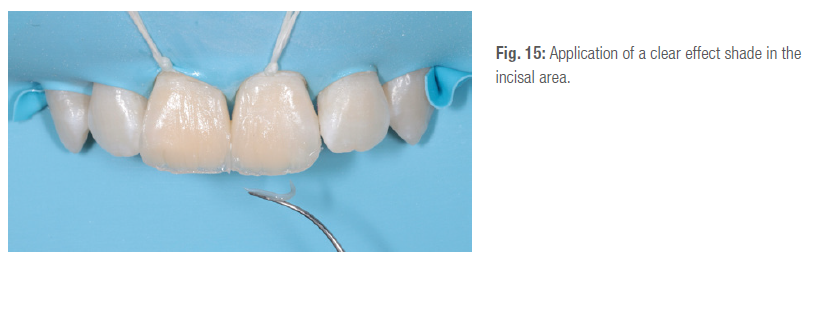
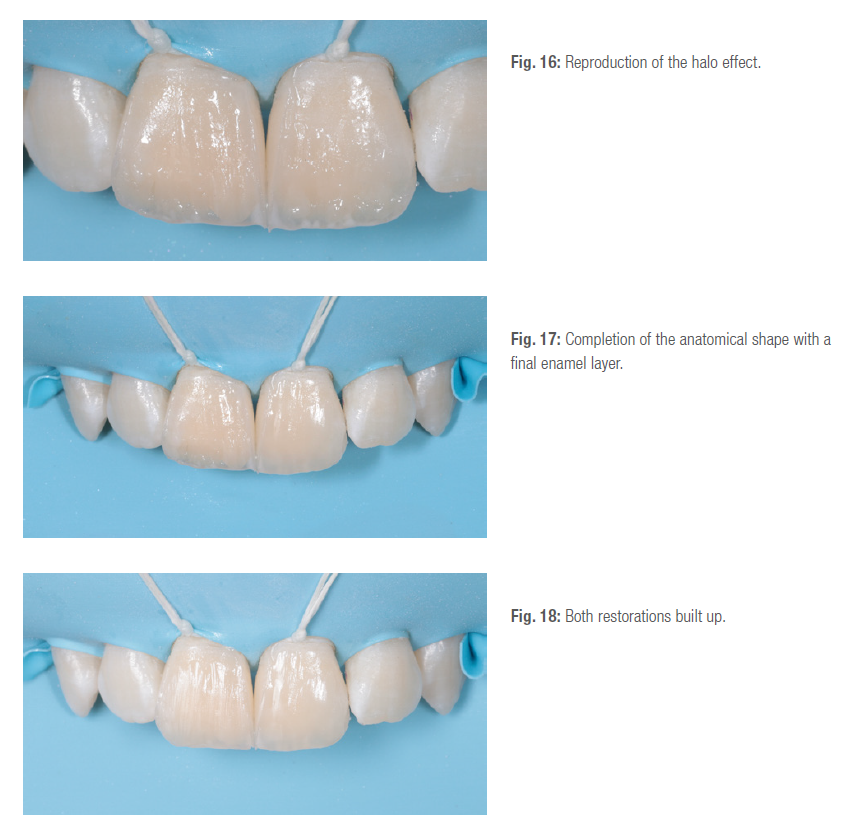
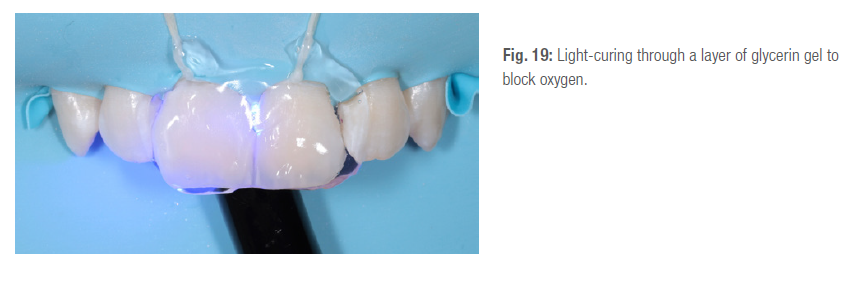
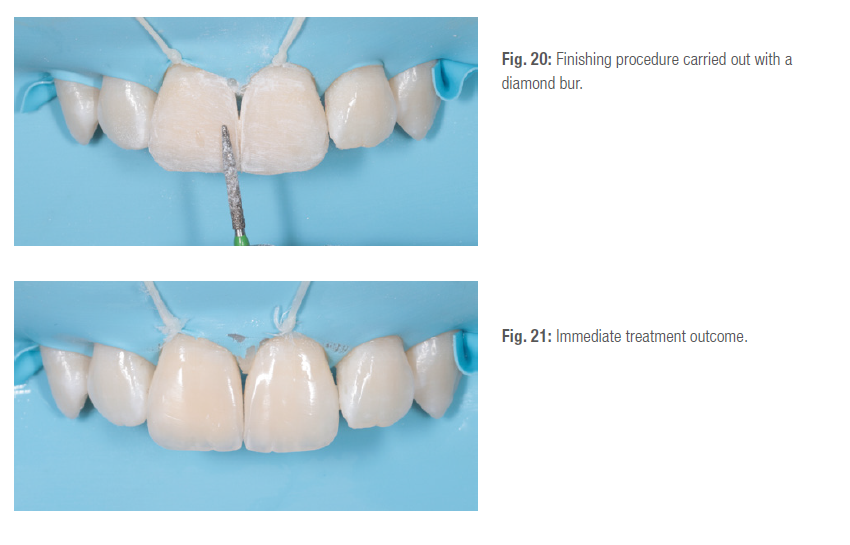
The silicone index was filled with CLEARFIL MAJESTY ™ ES-2 (A1 enamel shade) and inserted to build up the palatal shell of the restorations. The proximal walls were restored using Garrison matrices and CLEARFIL MAJESTY ™ ES Flow (Kuraray Noritake Dental Inc.) in A1 shade. The internal anatomy of the restorations was recreated using A1 dentin shade of CLEARFIL MAJESTY ™ ES-2. A clear effect shade was used to mimic the natural translucency of the incisal edges. The halo effect was reproduced using A1 dentin shade. Layering was completed with A1 enamel shade. The restorations were then finished and polished.
TREATMENT OUTCOME
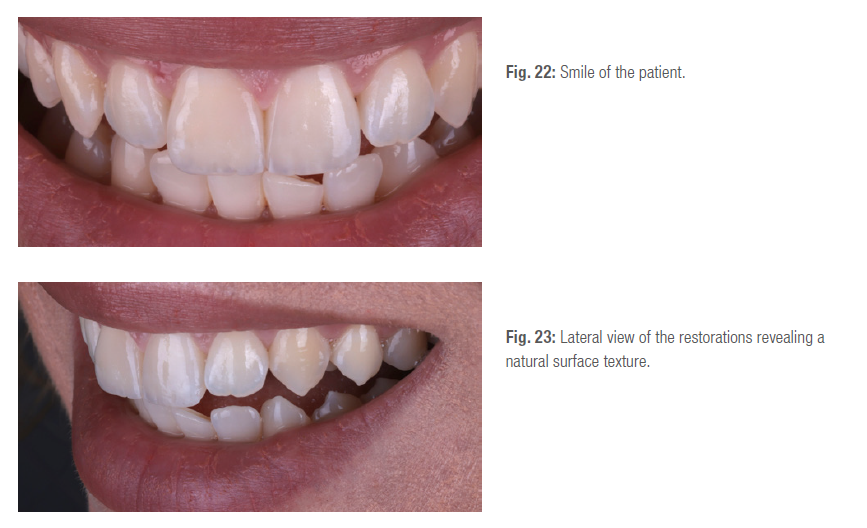
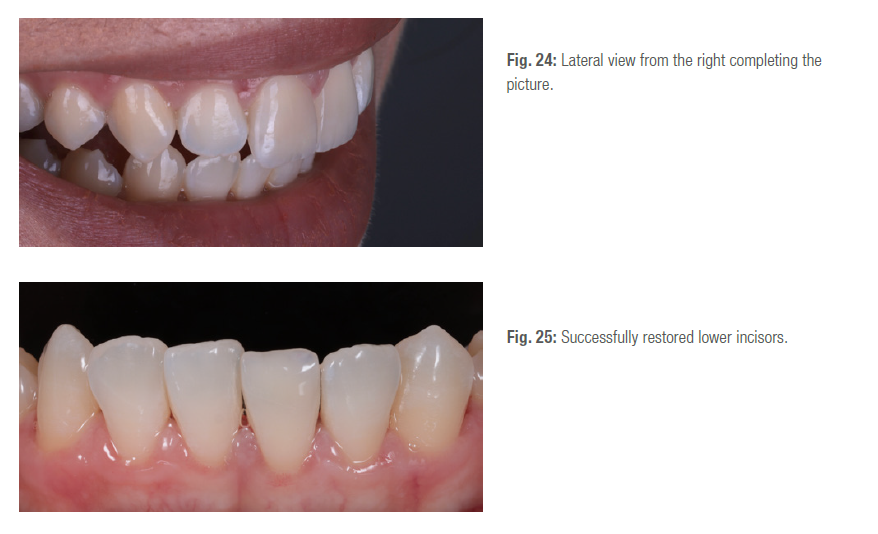
The patient was satisfied with the achieved result. The restorations were virtually indistinguishable from natural tooth structure – with a smooth transition from teeth to composite and natural incisal effects. The surface structure also contributed to a natural appearance. As the patient was happy with the procedure and the outcome, the lower incisors were restored in the same way.
CONCLUSION
The presented case shows that modern adhesive dentistry enables predictable and minimally invasive procedures that deliver fast and true-to-life results. The CLEARFIL MAJESTY ™ ES-2 system offers a wide range of shades and translucencies, allowing seamless outcomes through a polychromatic layering technique.
About the author

Dr. Sofien Riahi is a graduate of the Medical University of Sofia, Faculty of Dentistry, and the founder of a private dental clinic in Sofia, Bulgaria. He specializes in restorative and prosthetic dentistry, with a strong focus on delivering high-quality,
patient-centered care. He lectures on topics such as composite restorations of anterior teeth and complex interdisciplinary rehabilitations. Dr. Riahi has received eleven international Smile of the Year awards. Since 2025, he has been a Key Opinion Leader for Kuraray Noritake Dental Inc.
VISIT THE PRODUCT PAGE ONLINE FOR MORE DETAILS