
By: Christopher Moore (National Sales Manager Acteon UK)
In the rapidly advancing field of dental surgery, ensuring patient safety, comfort, and optimal clinical outcomes is a priority for any modern dental practice. One technology that is making a significant impact in achieving these goals is piezotome technology, such as the Acteon CUBE. For dental practices, adopting this innovation could elevate the standard of care across a range of procedures, including bone surgeries, extractions, sinus lifts, crest splitting, and crown extensions.
Precision and Safety: A New Era in Bone Surgery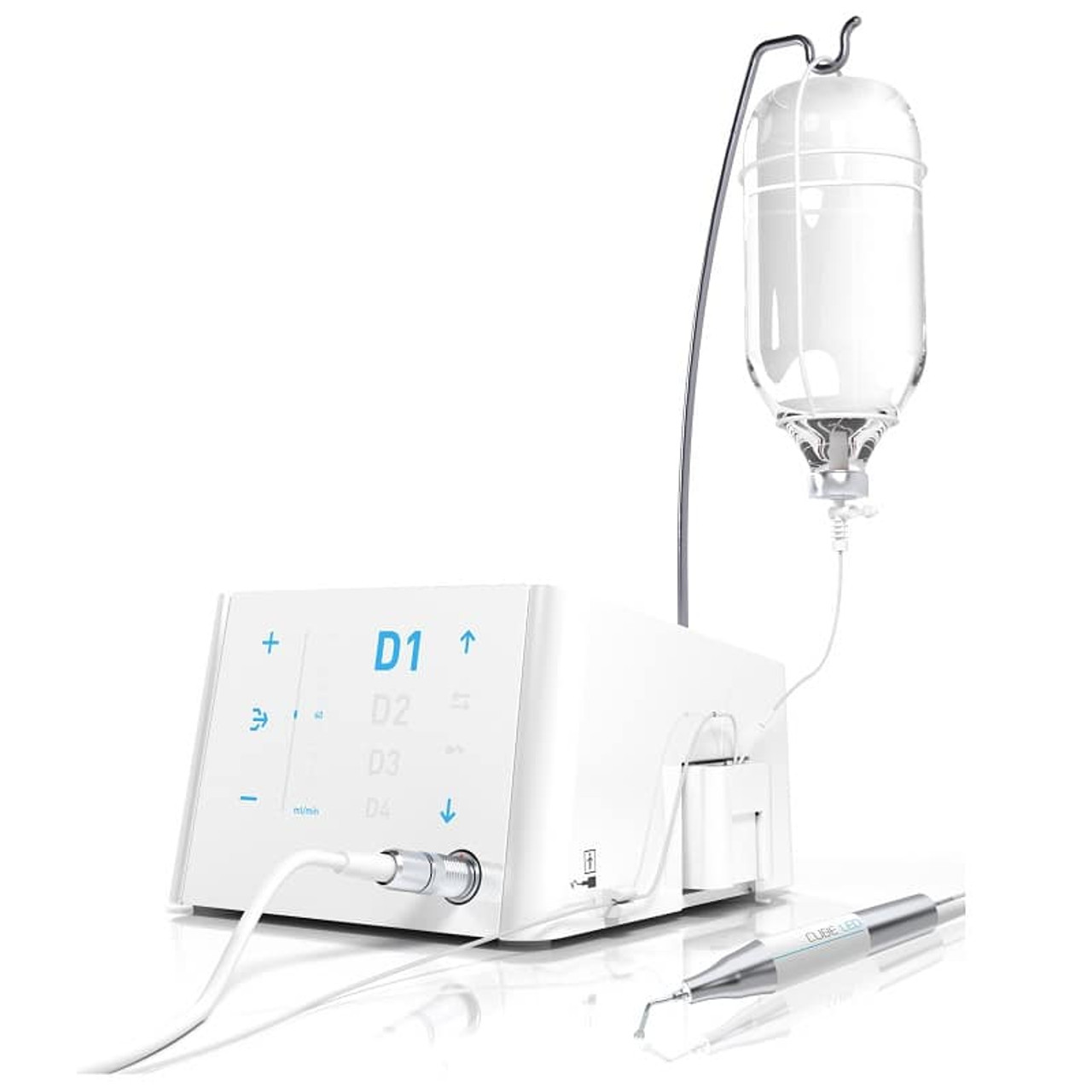
Piezotome technology uses ultrasonic vibrations to precisely cut bone while preserving adjacent soft tissues, afeature that traditional rotary instruments simply cannot match. This precision is especially valuable in complex procedures like sinus lifts and crest splitting, where accuracy is critical to avoid complications. By minimising trauma to surrounding tissues, piezotomes not only enhance surgical precision but also reduce the risk of unintended damage to nerves, blood vessels, and membranes.
Improved Patient Experience
Patient comfort is at the forefront of any dental procedure. Unlike traditional bone cutting tools, piezotomes operate at ultrasonic frequencies that reduce trauma to the bone. This translates into less post-operative swelling, reduced bleeding, and shorter recovery times, offering a far more comfortable experience for patients undergoing extractions or crown extensions. In a highly competitive market, the ability to offer minimally invasive surgery can help attract and retain patients who prioritise a smoother and faster recovery.
Faster Healing and Long-Term Outcomes
One of the key advantages of piezotome technology is its ability to promote faster and more predictable healing. Because the technique is less invasive and causes minimal damage to the surrounding tissues, it helps preserve blood supply and bone integrity. This is particularly beneficial in sinus lifts and bone grafting, where maintaining the health of the bone is crucial for successful outcomes. In the long run, this can lead to more predictable and stable results, enhancing patient satisfaction and practice reputation.
Versatility Across Procedures
From routine tooth extractions to advanced bone surgeries, the Acteon CUBE and other piezotome devices offer versatility that is unmatched by conventional tools. Whether it’s refining bone cuts during crest splitting or performing delicate work in crown extensions, piezotomes provide dental professionals with greater control and precision. This adaptability makes them invaluable across a wide range of surgical applications, enabling practices to expand their service offerings and improve clinical outcomes.
Enhancing Your Practice’s Reputation
In an era where patients are more informed and discerning about their treatment options, incorporating cutting- edge technology like piezotomes can set your practice apart. Being able to advertise the use of minimally invasive techniques that reduce recovery times and enhance comfort is a compelling proposition for patients. Furthermore, offering this advanced level of care can help build trust and enhance your practice’s reputation within the community.
Conclusion: A Strategic Investment
Adopting piezotome technology such as the Acteon CUBE isn’t just about staying ahead of the curve; it’s about delivering better care.
The precision, patient comfort, and faster healing associated with this technology make it an essential tool for dental practices that aim to provide the highest standard of treatment.
For dental practices looking to elevate their offerings, piezotome technology represents a strategic investment that pays off in patient satisfaction and clinical success.